All Categories
Featured

Restoration Methods for Prevalent Local Hail Events
Table of Contents

Performance and On-Site Solutions in 2026
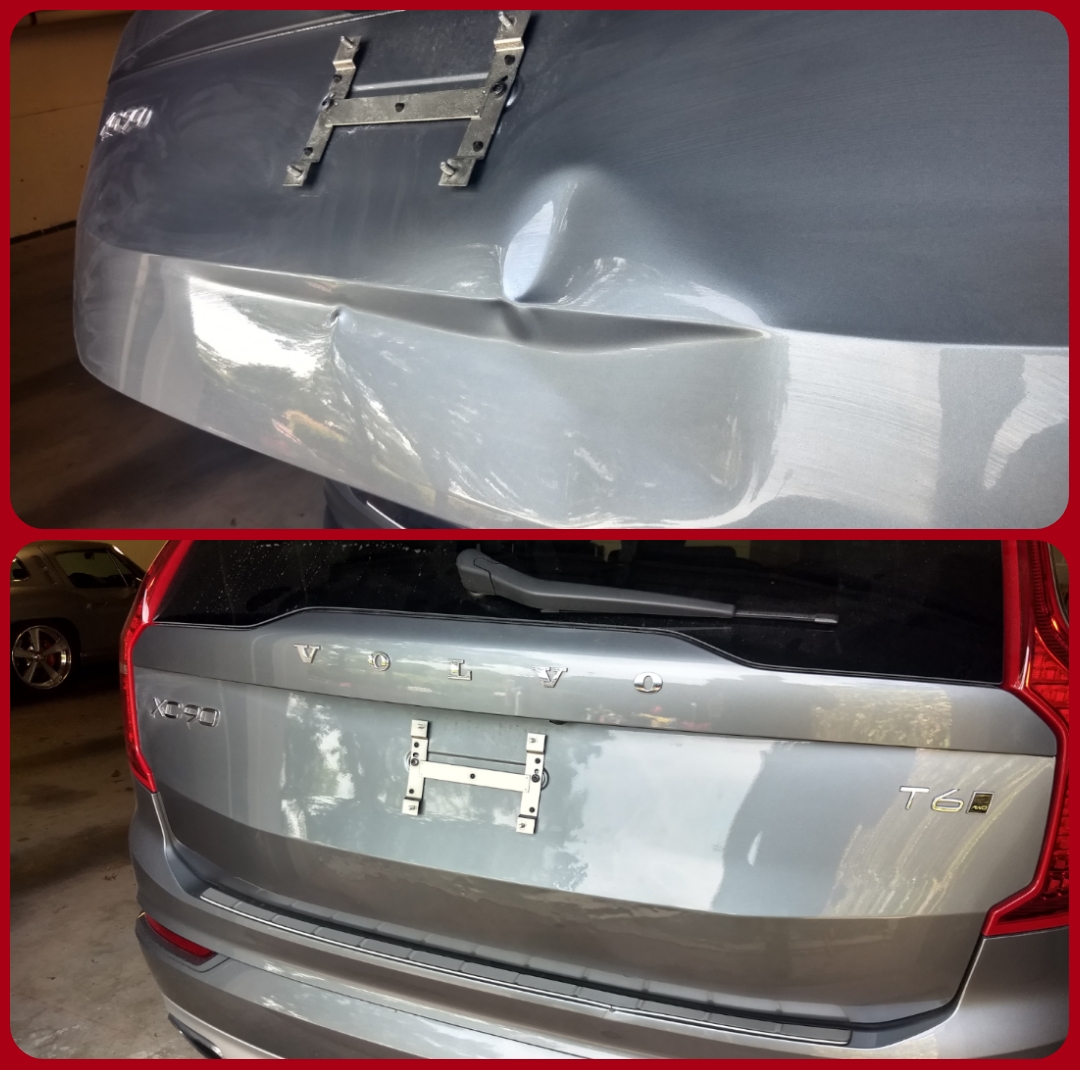
The automotive repair industry has undergone a substantial change as of 2026. Local automobile owners no longer discover themselves required to leave their cars at a traditional body purchase weeks to resolve minor dings or hail damage. The increase of mobile paintless damage repair work (PDR) has actually shifted the focus towards instant, on-site services. This modification is driven by developments in specialized tools and a growing need for services that appreciate the owner's time and schedule. In 2026, the sight of a completely equipped mobile system performing accuracy operate in a suburban driveway or a corporate car park has actually become common.
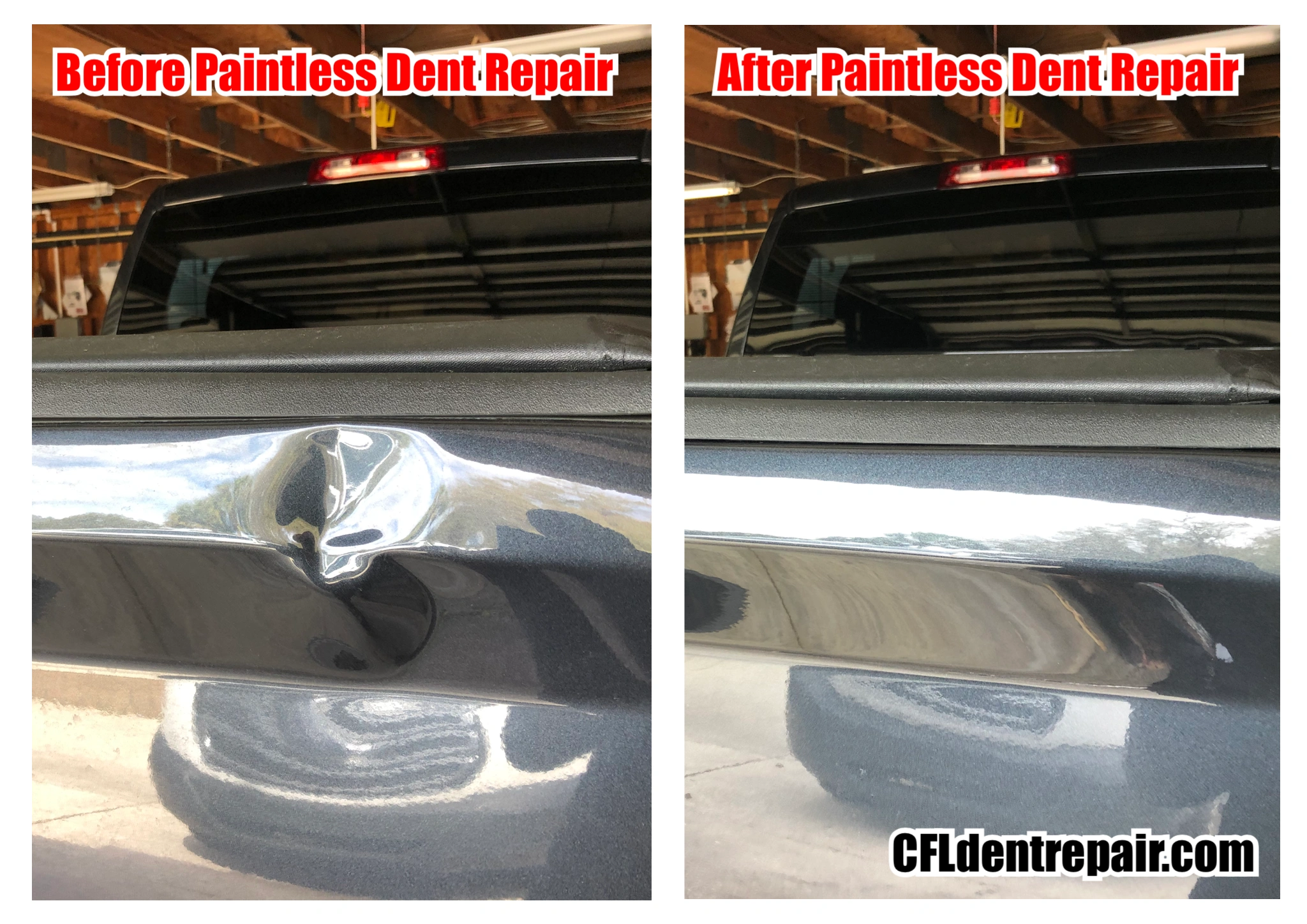
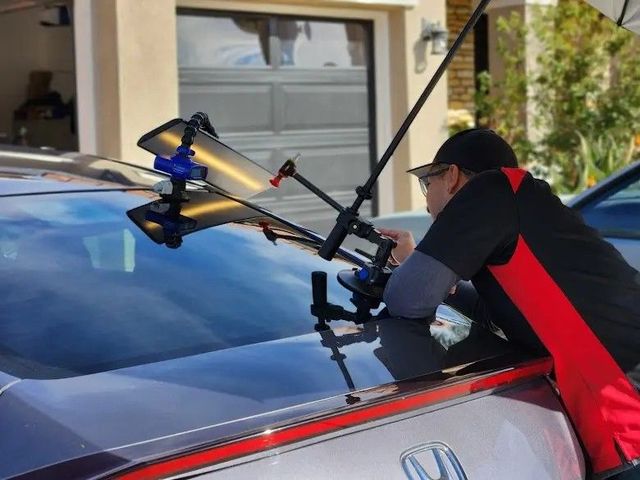
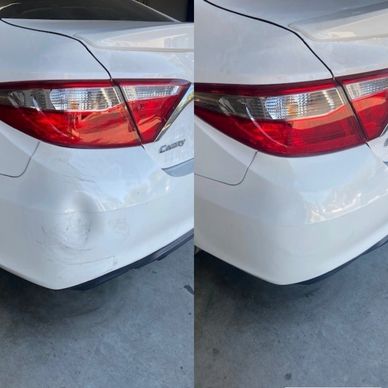
Traditional methods typically included sanding, filling, and repainting whole panels, which not just took some time however likewise risked color-matching problems. Modern PDR methods in 2026 bypass these steps by focusing on the structural memory of the metal. Service technicians use high-strength LED lighting to determine the specific collaborates of a dent and then use specialized rods to massage the metal back to its initial kind. This procedure protects the factory paint finish, which is a major aspect in keeping a lorry's resale value. Owners often look for On-Site Bodywork to prevent the high costs and logistical headaches related to conventional accident centers.
Technological Advancements in Mobile Units
The tools utilized by mobile specialists in 2026 are far more advanced than those seen a few years earlier. Induction heating gadgets are now basic, permitting for the mild control of metal without the threat of splitting the clear coat. These gadgets utilize electromagnetic fields to warm the steel or aluminum just enough to make it pliable. This is especially helpful for more recent lorry designs that utilize thinner, high-strength alloys created for weight decrease. Due to the fact that these mobile systems are compact, they can run in nearly any environment, providing a level of flexibility that was when difficult.
Financial investment in Efficient On-Site Bodywork offers a way to preserve automobile looks without the long wait times or the need for a rental automobile. Digital dispatch systems in 2026 enable professionals to get high-resolution photos from clients, offer a quote within minutes, and arrive at the location on the exact same day. This quick reaction is a hallmark of the present year's service requirements. Vehicle owners in the local area have grown to anticipate this level of immediacy, as the friction of coordinating a repair has actually been largely eliminated by mobile technology.
Influence On Car Durability and Resale
Protecting the original factory paint is more than just a matter of look. In 2026, utilized automobile markets position a premium on vehicles that have not undergone significant bodywork or repainting. Paintless dent repair work is the preferred technique for lease returns and trade-ins due to the fact that it does not show up as a structural repair on automobile history reports. Because the procedure involves no chemicals, fillers, or aftermarket paints, the repair is basically undetectable and permanent. The metal is gone back to its initial state, ensuring that the structural integrity of the panel stays intact.
Logistics have actually likewise seen a major shift. Mobile professionals are now geared up with portable power stations and climate-controlled camping tents, permitting them to work in different weather condition conditions. Whether it is a sweltering afternoon or a rainy morning in the surrounding region, the repair procedure continues uninterrupted. This reliability is why lots of insurance business in 2026 have actually started to advise mobile PDR as the very first line of defense for minor claims, especially after localized hail occasions that may otherwise overwhelm fixed-location shops.
Personalized Solutions for Modern Products
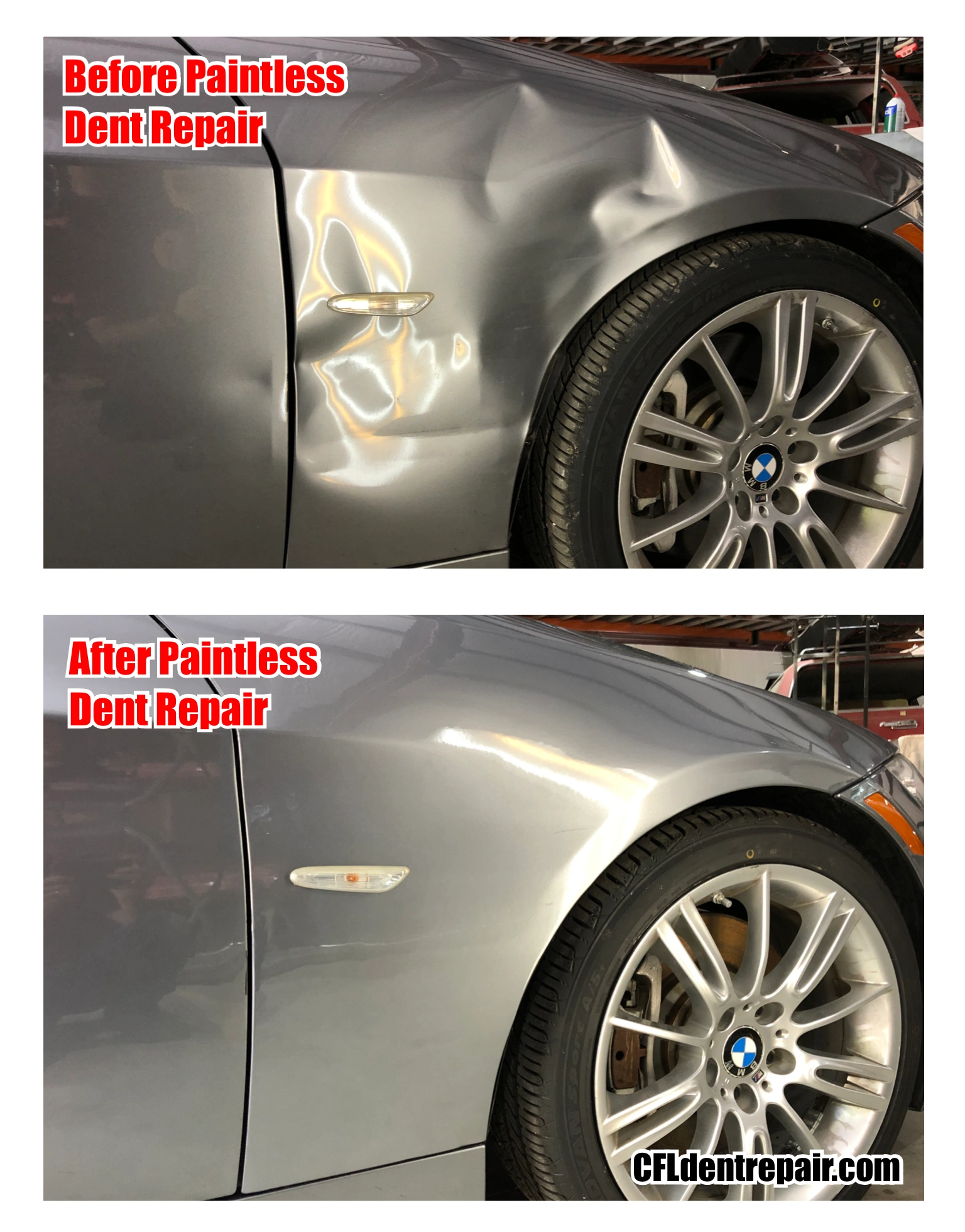
The variety of products utilized in 2026 automotive manufacturing requires a diverse capability. Aluminum panels, when thought about a problem for damage repair, are now handled with ease by skilled mobile professionals. Service technicians focused on On-Site Bodywork in California are now able to handle complicated body lines that were as soon as thought about unrepairable. They utilize "cold glue" systems and specialized tabs to pull dents from the exterior when access to the back of the panel is limited. This avoids the need to get rid of interior trim or headliners, even more decreasing the time invested on the task.
Safety sensors and ADAS (Advanced Chauffeur Help Systems) are another factor to consider for 2026 repair work. Numerous modern-day dents occur near electronic cameras or radar sensing units. Mobile PDR is typically much safer for these lorries because it does not involve the heat of a paint booth or the removal of panels that may require sensing unit recalibration. By keeping the automobile in one piece and working around the delicate electronic devices, service technicians minimize the danger of activating system mistakes that prevail with more invasive repair approaches.
Convenience as the Requirement
Customer behavior in 2026 is heavily weighted toward benefit. The ability to have a cars and truck repaired while the owner is at work or in the house is no longer a luxury-- it is the baseline. This shift has forced the industry to become more transparent. Most mobile suppliers now utilize apps that enable consumers to track the service technician's arrival and see a gallery of previous repair work on similar vehicle models. This develops trust before the technician even gets here on website in nearby communities.
Environmental issues likewise contribute in the appeal of these services. Conventional body stores produce considerable quantities of VOCs (volatile organic compounds) and waste materials like sandpaper and plastic filler. Mobile PDR is a "green" option, as it produces absolutely no waste and uses no harmful chemicals. For the environmentally mindful motorist in 2026, this is an engaging reason to pick a mobile expert over a traditional store. The lack of overhead connected with a physical storefront also permits these mobile services to provide competitive rates without sacrificing the quality of the craftsmanship.
The advancement of this sector reveals no signs of slowing down. As vehicle styles end up being more complex, the tools and techniques used to maintain them continue to adjust. The focus remains squarely on the requirements of the automobile owner: speed, quality, and the ability to return on the road without the common stresses of vehicle maintenance. In 2026, the mobile repair work model is not just an option; for lots of, it is the only logical choice for maintaining a car in leading condition.

Latest Posts
Restoration Methods for Prevalent Local Hail Events
Strategic Logistics for Catastrophic Weather Events

What to Do Immediately After a Hail Storm